

Applying for an apprenticeship is an exciting first step towards your career, but knowing what to put on your CV can feel challenging.
If you’re applying for your first apprenticeship, you might not have much professional experience yet. That’s completely normal. An apprenticeship is designed to help you gain practical experience, develop industry skills and earn while you learn.
Your CV gives an employer an introduction to who you are, what you’re interested in and what you could bring to their organisation. The key is making sure your CV is relevant to the apprenticeship you’re applying for.
In this guide, we’ll explain how to write a CV for an apprenticeship, what to include and how to highlight your skills even if you don’t have lots of work experience.
What is an apprenticeship CV?
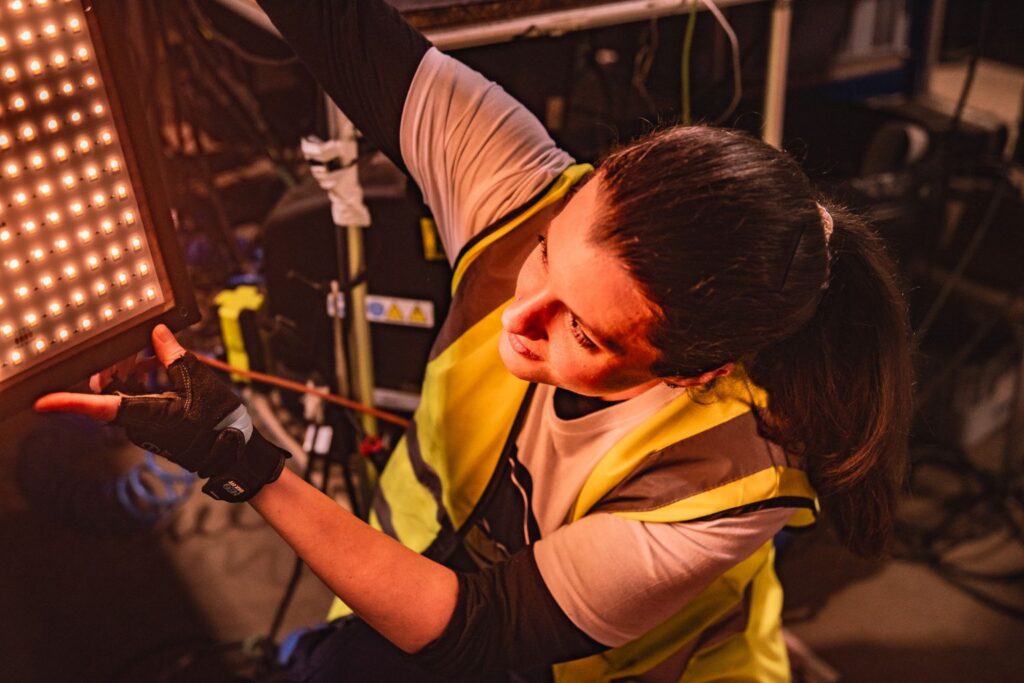
An apprenticeship CV is similar to a standard CV, but you don’t need years of professional experience to create a strong application.
According to the GOV.UK guidance on getting an apprenticeship, a CV will normally include your contact details, a short personal profile, work and education history, hobbies, interests and achievements.
The most important thing is to show an employer what you can offer and why you’re interested in the apprenticeship.
You can draw on experience from:
- School or college
- Part-time jobs
- Work experience
- Volunteering
- Sports and clubs
- Personal projects
- Hobbies and interests
- Coursework
- Online courses
- Community activities
Think about the skills you’ve developed through these experiences and how they could relate to the apprenticeship you’re applying for.
1. Start with a strong personal profile
Your personal profile should sit at the top of your CV. It’s a short introduction that tells an employer who you are, what you’re interested in and what you’re looking for.
Try to make it specific to the apprenticeship.
For example, if you’re applying for a Content Creator apprenticeship, you could mention your interest in social media, video, photography, writing or digital content.
Example apprenticeship CV profile
I’m a creative and motivated college student with a strong interest in social media, content creation and digital marketing. I enjoy developing ideas and creating engaging content, and I’m looking for an apprenticeship where I can build my skills while gaining practical experience in the creative industry.
Avoid filling your profile with generic phrases such as “I’m hardworking” or “I work well in a team” without explaining what you’ve actually done.
Instead, use your profile to show what you’re interested in and where you want your career to go.
2. Tailor your CV to the apprenticeship
One of the most important CV tips for an apprenticeship is to tailor your application to the specific vacancy.
Don’t send exactly the same CV to every employer.
Read the apprenticeship vacancy carefully and look at:
- The responsibilities
- The skills the employer is looking for
- The qualifications required
- The type of work you’ll be doing
- Any specific software or technical skills mentioned
- The qualities the employer wants from an apprentice
Then identify examples from your own experience that demonstrate those skills.
For example, if you’re applying for a marketing apprenticeship and the vacancy mentions social media, communication and creativity, you could include:
- Creating videos for TikTok or Instagram
- Running a social media account
- Designing graphics using Canva
- Writing social media posts
- Creating content for a college project
- Helping promote a school, college or community event
Your experience doesn’t have to come from a previous marketing job.
The UK Government’s advice on applying for an apprenticeship also recommends tailoring your CV to the specific apprenticeship you’re applying for.
3. Highlight your skills
Your CV should include a clear skills section, but don’t simply create a long list of words. Think about both technical skills and transferable skills.
Technical skills
Depending on the apprenticeship, these could include:
- Canva
- Adobe Creative Cloud
- Microsoft Office
- Google Workspace
- Video editing
- Photography
- Social media
- Website editing
- Basic coding
Transferable skills
You could also include:
- Communication
- Teamwork
- Organisation
- Time management
- Creativity
- Problem-solving
- Customer service
- Working independently
- Attention to detail
Where possible, explain where you’ve used these skills.
For example:
Communication: Developed communication skills through working in a part-time retail role and completing presentations and group projects at college.
This gives an employer evidence behind your skills rather than simply telling them you have them.
4. Include your education and qualifications
If you’re applying for your first apprenticeship, your education is an important part of your CV.
Include:
- School or college
- Course or subjects
- Qualifications
- Dates
- Relevant grades
- Relevant projects or coursework
Make sure you check the entry requirements for the apprenticeship before applying. Requirements can vary between programmes and employers.
For example, the Level 3 Content Creator apprenticeship at Access Industry currently has no formal entry requirements, although a keen interest in the field is essential.
If you’ve completed a project that’s relevant to the role, explain it.
For example:
“College Digital Media Project: Created a short promotional video from concept through to editing, developing skills in planning, filming, editing and presenting ideas.”
This can help demonstrate practical skills even if you haven’t had a professional job yet.
5. Don’t underestimate your work experience
You might think a part-time job in retail, hospitality or another industry isn’t relevant to the apprenticeship you’re applying for.
It can be. Instead of focusing only on the job title, think about the skills you developed. For example, working in retail could demonstrate:
- Customer service
- Communication
- Teamwork
- Time management
- Problem-solving
- Working under pressure
- Reliability
Instead of simply writing: Worked in a shop.
Try:
“Worked part-time in a busy retail environment, developing communication and customer service skills while supporting customers and working as part of a team.”
The same approach can be used for volunteering, sports, school responsibilities and other activities.
6. Include your interests and personal projects
Your interests can help an employer understand what you’re passionate about, particularly when you’re applying for a creative, digital or specialist apprenticeship.
You could include interests such as:
- Photography
- Video production
- Gaming
- Music
- Graphic design
- Social media
- Writing
- Coding
- Sport
- Events
- Fashion
- Film
Personal projects can be particularly useful.
For example, if you’re applying for a Content Creator apprenticeship and regularly create videos or photography outside of school or college, include this on your CV.
If you have a portfolio, website or professional social media account, consider including a link.
You don’t necessarily need previous professional experience. For example, Access Industry’s Content Creator apprenticeship states that prior experience isn’t necessary, although applicants can support their application with a portfolio of evidence.
7. Keep your apprenticeship CV clear and easy to read
Your CV doesn’t need to have complicated graphics or lots of different colours.
A clear, professional layout makes it easier for an employer to find the information they need.
Useful headings include:
- Personal Profile
- Education
- Work Experience
- Skills
- Projects
- Interests
- References
For most apprenticeship applications, one to two pages is enough. Use bullet points rather than large paragraphs and keep your formatting consistent throughout.
8. Check your CV before you apply
Before submitting your application, check your CV carefully.
Look for:
- Spelling mistakes
- Grammar errors
- Incorrect dates
- Missing information
- Broken links
- Inconsistent formatting
- Incorrect contact details
It’s also worth asking someone else to read your CV. They may spot an error you have missed or suggest something you could explain more clearly.
The UK Government’s apprenticeship application advice recommends checking your CV carefully for errors before submitting it.
Save your CV with a professional file name, such as:
YourName_ApprenticeshipCV.pdf
rather than:
CVfinalFINAL2.pdf
9. You don’t need years of experience
If you’re worried that your CV doesn’t contain enough experience, remember that you’re applying for an apprenticeship.
You aren’t expected to already be an expert.
Employers know that apprentices are at the beginning of their careers. Your enthusiasm, willingness to learn, existing skills and interest in the industry can all help demonstrate your potential.
Focus on what you can offer rather than worrying about what you haven’t done yet.
10. Use your CV to show where you want your career to go
Your CV should help an employer understand why you’re interested in the apprenticeship.
If you’re interested in digital marketing, show your interest in marketing, social media and communication. If you want to become a Content Creator, showcase your creativity and content projects.
If you’re interested in live events, highlight relevant events, productions, volunteering or practical projects.
At Access Industry, you can explore apprenticeship opportunities across Digital, Events, Sport, Business, TV and Film and Education. Think about the type of career you want to start and look for opportunities that match your interests.
Ready to apply for an apprenticeship?

Writing your first CV might feel difficult, but you probably have more skills and experience than you realise.
Think about what you’ve learned at school or college, through part-time work, hobbies, volunteering, sport and personal projects. Then tailor your CV to the apprenticeship you’re applying for.
Once your CV is ready, the next step is finding an opportunity that matches your interests.
Explore Access Industry’s latest apprenticeship vacancies and start your search for an opportunity where you can gain real-world experience, develop industry skills and take your first step towards your career.
You can also use the GOV.UK Find an Apprenticeship service to search and apply for apprenticeship opportunities across England.
An apprenticeship can be the start of your career. Make your CV the first step.