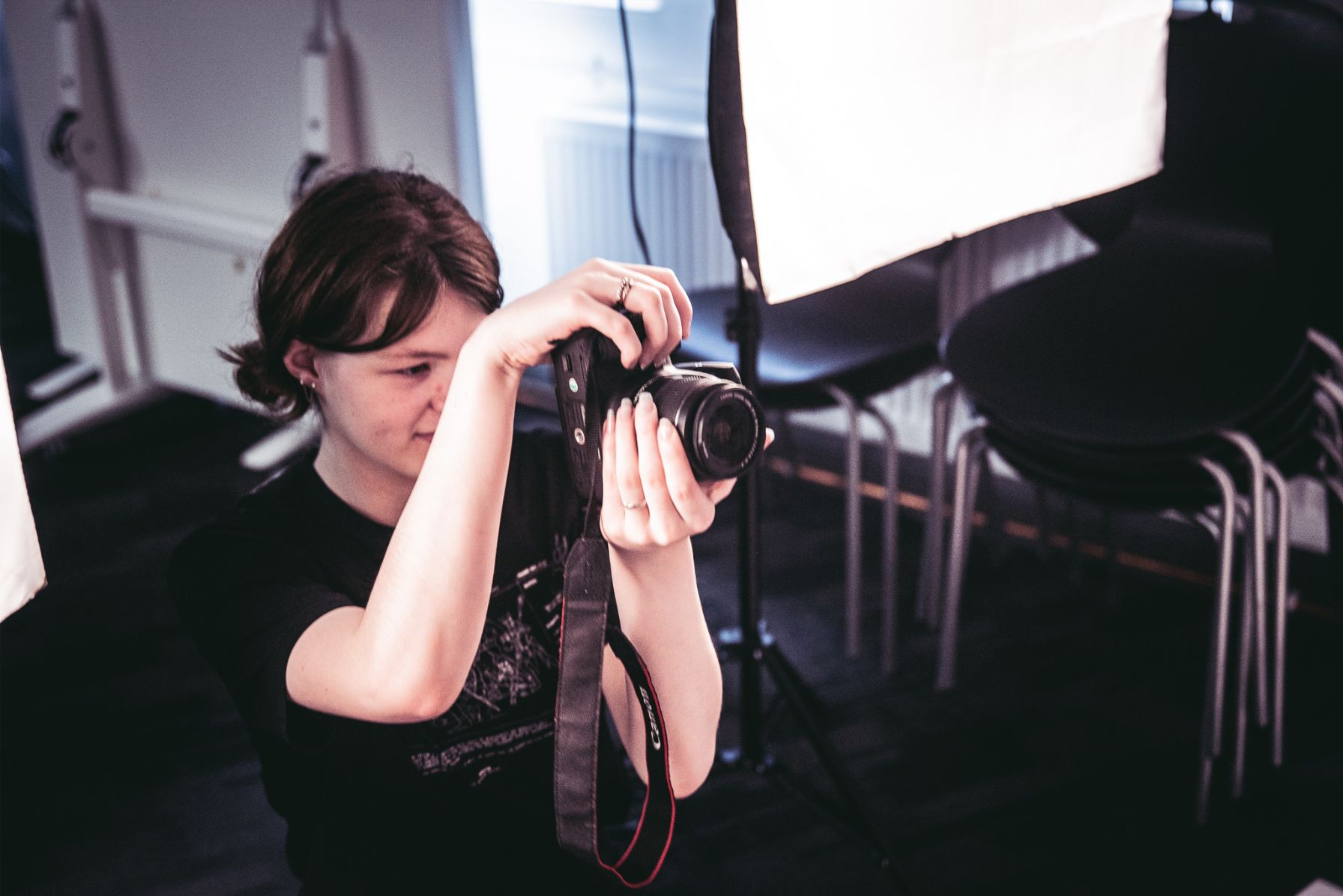
Think you need to be an expert with a camera, have years of industry experience or know exactly what career you want to pursue to work in the creative industries?
Think again.
Whether you’re interested in TV and film, live events, digital marketing, content creation or production, creativity is only part of what employers are looking for.
The skills you develop through creative projects, hobbies, education and everyday experiences can be incredibly valuable in the workplace. From working as part of a team to solving problems under pressure, these skills can help you stand out and build a career in the creative industries.
According to Skills England’s assessment of the creative industries, demand for workers across priority creative-industry occupations is expected to grow significantly over the next decade, highlighting the importance of developing the right skills for a creative career.
As part of Creative Careers Month, we’re looking at seven skills employers value and how you can start developing them now.
1. Communication
Creative projects rarely happen in isolation. Whether you’re working on a film set, planning an event, creating content or developing a marketing campaign, you’ll need to communicate effectively with different people.
This could mean pitching an idea, explaining a concept, giving feedback, speaking to a client or simply making sure everyone on a project knows what they’re doing.
Good communication isn’t just about speaking confidently. It also means listening, asking questions and adapting how you communicate depending on who you’re working with.
The National Careers Service highlights communication, teamwork and other soft skills as important skills that can help you in the workplace.
How to develop it: Take part in group projects, practise presenting your ideas and get comfortable explaining your creative decisions.
2. Problem-solving
Things don’t always go according to plan in the creative industries.
A piece of equipment might not work. A deadline might change. A client might ask for something different. A shoot might need to be adapted at short notice. Being able to stay calm, identify the problem and find a practical solution is a valuable skill in almost any creative role.
Employers want people who can think beyond the obvious answer and find ways to keep a project moving.
How to develop it: When something goes wrong during a project, rather than immediately looking for someone else to fix it, think about what options you have and how you could approach the situation differently.
You can also use resources from the National Careers Service to develop your problem-solving and other soft skills.
3. Collaboration
Some of the best creative work comes from people bringing different ideas, experiences and skills together.
From directors and camera operators to marketers, designers, technicians and producers, creative industries rely on teams working towards a shared goal.
Being collaborative means being able to contribute your own ideas while also listening to and respecting other people’s perspectives.
You won’t always agree with everyone you work with — and that’s okay. Learning how to give and receive constructive feedback is an important part of becoming a creative professional.
How to develop it: Get involved in group projects and look for opportunities to work with people who have different skills and perspectives from your own.
4. Creativity
Of course, creativity still matters. But creativity isn’t simply about being able to draw, write, take photographs or come up with a great video concept.
In the workplace, creativity can mean approaching a problem differently, developing a new idea, finding a more engaging way to communicate a message or thinking about how something could be improved.
Creative employers need people who can bring fresh ideas while understanding the purpose behind their work.
How to develop it: Create regularly. Start a video project, experiment with photography, design social content, write, make music or simply explore different creative formats that interest you.
You don’t need every project to be perfect. The important thing is to keep creating and learning.
You can explore the skills and occupations shaping the sector through Skills England’s creative industries skills assessment.
5. Technical Skills
The creative industries are constantly evolving, and technology plays a huge role in how creative work is produced and delivered.
Depending on the career you’re interested in, technical skills could include video editing, photography, lighting, digital marketing platforms, graphic design software, content management systems or production equipment.
You don’t need to know everything before starting your career. What matters is being willing to learn and develop your technical knowledge.
The creative and design apprenticeship sector covers a wide range of roles and areas, including creative production, design, film, photography and content creation.
How to develop it:
Experiment with the software and equipment available to you. Build a portfolio of projects that demonstrates what you can do and look for opportunities to gain practical experience.
6. Adaptability
Creative industries can be fast-paced, and no two projects are necessarily the same.
You might be asked to work with a new team, learn unfamiliar software, change an idea following feedback or take on a completely different task. Being adaptable means being open to change and willing to learn.
For someone starting their career, this can be particularly important. You won’t know everything on day one and you’re not expected to.
What matters is how you respond when you’re given something new to learn.
How to develop it: Push yourself outside your comfort zone. Try something you haven’t done before, learn a new tool or take on a role that challenges you.
7. Organisation
Creativity and organisation might not sound like they belong together, but being organised can make a huge difference to the success of a creative project.
Deadlines, schedules, files, equipment, meetings, feedback and project requirements all need to be managed.
Whether you’re working on a marketing campaign or helping to deliver a live production, being able to manage your time and stay on top of your responsibilities helps projects run smoothly.
How to develop it: Get into the habit of planning your projects. Set deadlines, keep your files organised and break larger tasks into manageable steps.
Your skills can be the start of your career

You might not realise it yet, but the skills you’re developing through your creative interests could already be helping you prepare for the workplace.
The video you made for fun, the social media account you manage, the event you helped organise, or the college project you worked on can all help you develop skills that employers value.
The next step is finding a way to turn those skills into practical experience.
Build your creative career through an apprenticeship
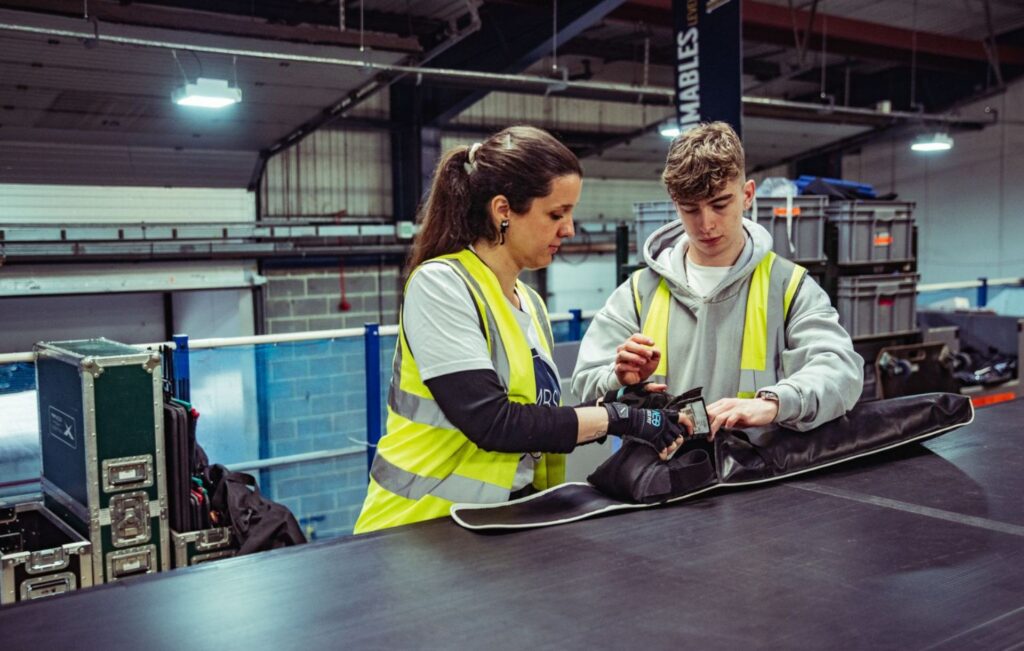
An apprenticeship can give you the opportunity to develop your skills while gaining real industry experience and working towards a recognised qualification.
You can find out more about how apprenticeships work and the different routes available through the official Apprenticeships.gov.uk website.
If you’re considering an apprenticeship, you can also find out more about getting an apprenticeship, including how to search and apply for opportunities.
At Access Industry, our industry-led apprenticeships help learners develop practical skills alongside their training, with opportunities across areas including TV and film, creative production, digital marketing and content creation.
Whether you already know exactly where you want your creative career to take you or you’re still exploring your options, an apprenticeship can be a way to start building the skills, experience and confidence you need for the future.
Ready to turn your creative skills into a career? Explore Access Industry’s creative apprenticeships and find your next step.