

From the London Palladium to Theatre Royal Drury Lane, LW Theatres operates some of the West End’s most iconic venues – and behind every world-class production is a team of skilled technical professionals. We spoke to LW Theatres about their experience hiring a Creative Venue Technician apprentice, and how the programme is helping shape the next generation of theatre talent.
Employer Success Story interview
Tell us about LW Theatres
LW Theatres is one of London’s leading theatre operators, responsible for some of the capital’s most iconic and historic venues. We operate six theatres across the West End – the London Palladium, Theatre Royal Drury Lane, His Majesty’s Theatre, the Adelphi Theatre, the Cambridge Theatre and the Gillian Lynne Theatre – hosting world‑class productions across a wide variety of genres and welcoming millions of audience members every year. We’re committed not only to artistic excellence, but also to preserving theatre heritage, investing in people, and developing the next generation of theatre professionals.
What motivated your business to take on a Creative Venue Technician apprentice?
Theatre relies heavily on skilled technical professionals, and we were keen to create a clear entry point for new talent into an industry that can sometimes feel inaccessible. Many technical roles operate behind the scenes and are largely invisible to audiences, despite being critical to the success of every performance. The Creative Venue Technician apprenticeship provides structured learning alongside hands-on experience, which aligned perfectly with our desire to shine a spotlight on these vital roles, support early-career development, and strengthen our technical teams.
Why did you introduce apprenticeships into your recruitment strategy?
Apprenticeships allow us to grow talent organically while diversifying our recruitment pipeline. Rather than recruiting solely based on previous experience, apprenticeships enable us to identify potential, attitude and curiosity, and then invest in developing those individuals in a way that suits the needs of our business. They also play an important role in enabling our experienced technicians to pass on their skills, knowledge and professional insight to a new generation, helping to safeguard specialist expertise and support the long-term sustainability of technical roles within theatre.
How did you decide which apprenticeship programme was right for LW Theatres?
We looked for a programme that genuinely reflected the realities of working in a live venue environment and covered the full range of technical disciplines required in theatre. The Creative Venue Technician apprenticeship stood out because of its holistic approach to technical theatre venue operations. Alongside core technical training in areas such as electrical fundamentals, lighting and lifting equipment, equipment maintenance and troubleshooting, the programme also covers modules focused on safe working practices, storage and logistics, problem-solving, communication and team working. Importantly for us, it extends beyond purely hands‑on technical work to include industry awareness and an understanding of the history of theatre, supporting apprentices to better understand how their role contributes to the wider operation of a venue.
This breadth ensures apprentices develop not just as technicians, but as well-rounded venue professionals, which aligns strongly with how LW Theatres operates across its portfolio of theatres.
How would you describe your overall experience of employing an apprentice so far?
Extremely positive. Our apprentices have integrated seamlessly into our teams and brought a fresh perspective to the role. The structure of the apprenticeship has helped provide clarity around development, while the day‑to‑day experience has been rewarding for both the apprentice and our existing staff. In particular, their enthusiasm, energy and curiosity have had a noticeable impact on our technicians. Many have commented that working alongside apprentices has re‑energised them and reminded them why they chose a career in theatre in the first place, in some cases reaffirming a passion they’ve carried with them for many years.
What qualities or strengths has your apprentice brought to the workplace?
Our apprentices have demonstrated enthusiasm, adaptability and a genuine eagerness to learn. They’ve shown strong teamwork skills, a proactive approach to problem solving, and a level of curiosity that is essential in a fast‑paced technical environment. For us, an apprenticeship isn’t about what someone already knows, but about how they show up. While technical skills, processes and tools can be taught, it’s attitude that makes the biggest difference. Our apprentices have consistently shown commitment, a willingness to take responsibility, and pride in their work. These qualities are what enable learning to turn into a long‑term career. They’ve been a real asset to the team.
What tangible benefits have you seen since hiring a Creative Venue Technician apprentice at LW Theatres?
The presence of apprentices has enabled our Technical Managers and Heads of Departments to approach delegation as a developmental tool, embedding learning and progression into day‑to‑day operations. This has created additional capacity for planning, troubleshooting and mentoring, while supporting a strong culture of learning within the team. Importantly, it has also created development opportunities for some of our more junior technicians, who have, in some instances, taken on increased responsibility for supervising, mentoring and supporting the apprentices. This has helped them build confidence and upskill in key areas such as communication, delegation and people management, supporting their progression and strengthening the team overall.
In what ways has the apprentice contributed to the efficiency or day-to-day running of your team?
We’ve seen increased capacity within the team, with apprentices able to contribute practically to technical operations at an early stage. They quickly become involved in day‑to‑day venue activity, undertaking show plots, carrying out routine show-related and venue-related maintenance tasks and supporting load‑ins and load‑outs as part of the wider technical team. This early hands‑on involvement allows apprentices to build confidence and competence rapidly, while providing valuable, dependable support across both the Electrics and Stage Engineering departments. Their growing competence has also helped streamline workflows and improved overall team resilience, particularly during busy production periods.
Has taking on an apprentice helped address any skills gaps within LW Theatres?
Yes. While the apprentice is still developing, the programme allows us to shape their skills around our specific technical requirements. Over time, this helps address gaps in core venue knowledge and ensures we’re developing technicians with the right blend of practical and theoretical expertise.
How has the programme supported your long-term workforce planning or talent development?
The apprenticeship has become an important part of our talent pipeline. It allows us to plan for future skills needs, support succession planning, and retain knowledge within the organisation by developing technicians who already understand our venues, standards and culture.
What has been the most significant project your apprentice has been involved in?
As an organisation, we’re fortunate to be able to offer our apprentices regular front‑line experience across a wide range of large‑scale projects. Rather than identifying a single standout project, the most significant aspect has been the breadth of high‑profile productions they’ve been involved in. This has included supporting the load‑ins and load‑outs of major West End shows such as Frozen – The Musical, My Neighbour Totoro, Hercules, two pantomime seasons at the London Palladium, and most recently Back to the Future.
These experiences have given our apprentices invaluable, on‑the‑ground insight into how the component parts of some of the West End’s biggest productions are assembled, operated and dismantled within a live venue environment. Being exposed to this level of work at an early stage has significantly enhanced their understanding of large‑scale technical operations and the collaborative nature of delivering world‑class theatre.
What aspects of the programme have been most valuable to your business, and what did you get out of the apprenticeship process?
The structure of the programme, the ongoing support and the clear learning outcomes have been particularly valuable. It encourages reflection and continuous improvement, while also giving us the opportunity to mentor and develop future professionals who are aligned with our values, standards and ways of working. Importantly, we’ve already seen a tangible return on this investment, with our first apprentices recently becoming employed by the company. This means we now have two employees who already possess an in-depth understanding of our venues and company culture, and who can hit the ground running in their respective roles and venues, strengthening our teams from day one.
What advice would you give to other theatres or creative venues considering taking on an apprentice?
Be open to potential and approach rather than experience and knowledge, and see apprenticeships as a long-term investment. With the right support and mentoring, apprentices can make a meaningful contribution surprisingly quickly, while helping to secure the future of skills within the industry.
The benefits of hiring an apprentice
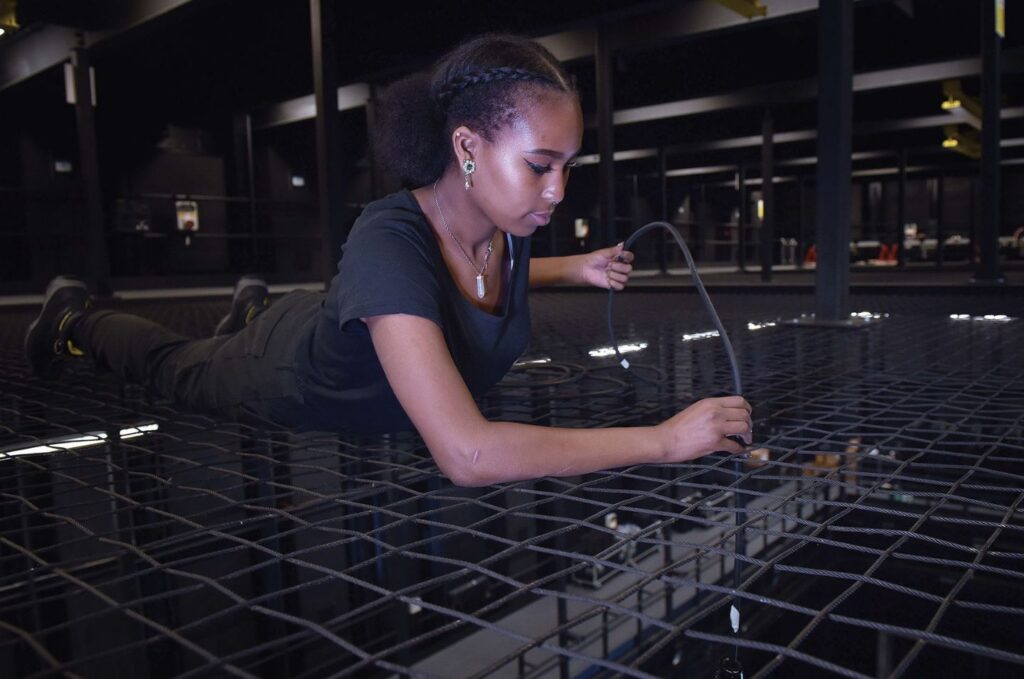
LW Theatres’ experience shows how a Creative Venue Technician apprenticeship can open up a specialist industry to new talent, building technical capability while reinvigorating existing teams along the way. With two former apprentices now employed permanently across their venues, it’s a clear example of apprenticeships delivering real, lasting value – for individuals and the business alike.