

Apprenticeships are transforming how people learn and work, offering a real alternative to traditional classroom study, degrees, or training courses. Whether you’re finishing school, considering a career change, or seeking practical skills with pay, apprenticeships could be your launchpad.
But what is an apprenticeship, exactly? And how does an apprenticeship work in today’s UK workplace? Let’s unpack everything you need to know in 2026.
What is an apprenticeship?
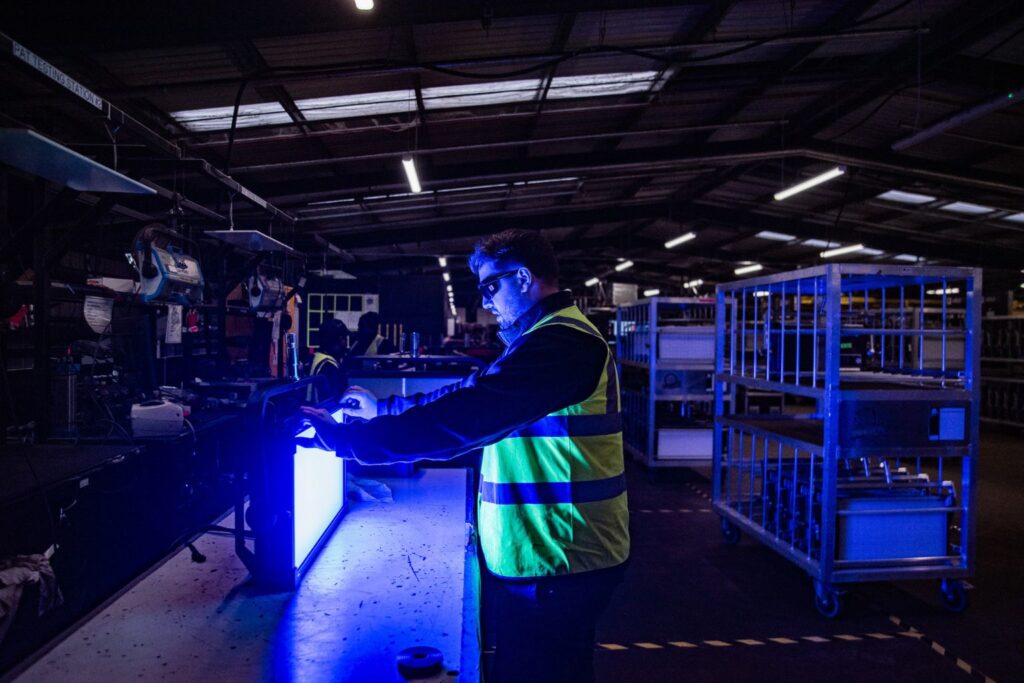
An apprenticeship is a work-based training programme that combines paid on-the-job experience with structured learning. You’re employed while you train, earning a wage, gaining skills, and working towards a recognised qualification.
According to the UK government, apprenticeships are designed to help people gain job-specific skills while working towards nationally recognised standards.
Unlike purely academic study, apprenticeships focus on applying learning in real-world environments. You’ll be part of a workplace, contribute to meaningful tasks, and develop skills that employers actively look for.
In simple terms, it’s learning while earning.
How does an apprenticeship work?

At its core, an apprenticeship is designed to build your skills, knowledge and behaviours so you can succeed in a specific job role. Here’s how it typically works:
1. You apply or are matched to an employer
Apprenticeships are offered by employers and supported by training providers. Once successful, you become an employee with a contract and a salary.
2. You train while you work
Your employer provides hands-on experience, while a training provider delivers the formal learning. This may be delivered in person, online, or through a blended approach.
3. You study towards a qualification
Each apprenticeship includes a nationally recognised qualification, ranging from certificate level to degree level.
4. You complete the end-point assessment (EPA)
At the end of your programme, you complete an assessment that demonstrates what you’ve learned and how you apply it in the workplace. Passing this confirms successful completion of your apprenticeship.
What levels of apprenticeships are available?

Apprenticeships are offered at different levels, depending on your experience and career goals:
- Intermediate (Level 2): Equivalent to GCSEs
- Advanced (Level 3): Equivalent to A-levels
- Higher (Levels 4–5): Equivalent to a foundation degree
- Degree (Levels 6–7): Equivalent to a bachelor’s or master’s degree
This means apprenticeships are suitable whether you’re starting out or aiming to progress into higher-level roles.
Who can do an apprenticeship?

Who can do an apprenticeship? In most cases, anyone aged 16 or over who lives in England.
Apprenticeships are suitable for:
- School leavers
- People looking to change careers
- Adults wanting to upskill or retrain
- Anyone who prefers practical, work-based learning
There’s no upper age limit. Apprenticeships are about developing real skills at any stage of life.
How much do apprentices earn?

Apprentices earn a wage while they train. Employers must pay at least the Apprenticeship Minimum Wage, although many employers choose to pay more, especially for higher-level roles.
As apprentices are employees, they also have workplace rights, including paid holidays and support at work.
Because apprenticeship training is government-funded, apprentices do not pay tuition fees. This makes apprenticeships a cost-effective alternative to university.
Which industries offer apprenticeships?

One of the biggest strengths of apprenticeships is their versatility. In 2026, apprenticeships will be available across virtually every sector of the UK economy.
You’ll find opportunities in:
- Digital industry: from content creator to multi-channel marketing.
- Events: from events assistant and technicians to cultural learning and participant officer.
- Sports and community: from sports coach to community sport and health officers.
- Business and leadership industries: from operations management to customer service specialist and everything in between.
- Education industry: take steps to become a teaching assistant.
- TV and film: from light screen technician to audio visual technician.
Whatever your interests or strengths, there’s likely an apprenticeship pathway that matches. This breadth of choice means you’re not locked into one career direction from the start, and you can explore industries that align with your skills and ambitions.
Apprenticeships vs university: What’s the difference?

It’s a question many people face: should I go to university or pursue an apprenticeship?
There’s no single right answer, but understanding the differences can help you make an informed choice.
Cost
University typically involves tuition fees and student debt. Apprenticeships are government-funded, meaning no tuition fees and you earn a wage from day one.
Learning style
University is largely academic and theory-based. Apprenticeships prioritise hands-on, practical learning in a real workplace setting.
Time to qualification
A degree usually takes three years full-time. Apprenticeships vary depending on level; some take 12-18 months, while degree apprenticeships can take 3-5 years. However, you’re earning throughout.
Career readiness
Graduates often need additional experience to secure their first role. Apprentices finish with qualifications, workplace experience, and often a permanent job offer from their employer.
Progression routes
Both routes offer progression. You can move from an advanced apprenticeship to a degree apprenticeship, or continue studying while working. Many apprentices go on to senior and specialist roles without ever attending a traditional university.
The key is choosing the path that suits your learning style, financial situation, and career goals.
Why choose an apprenticeship in 2026?
Apprenticeships continue to grow in popularity because they offer clear advantages:
- You earn while you learn
- You gain real work experience
- You improve your employability
- You can progress to higher qualifications
- You build professional networks and long-term career opportunities
Many apprentices move straight into permanent roles with their employer after completing their programme.
Ready to start your apprenticeship journey?

If you’re asking “What is an apprenticeship?” because you’re thinking about your future, you’re already taking a positive step. Apprenticeships offer a practical, respected and accessible route into long-term careers.
Explore current apprenticeship opportunities and find the right pathway for you!